

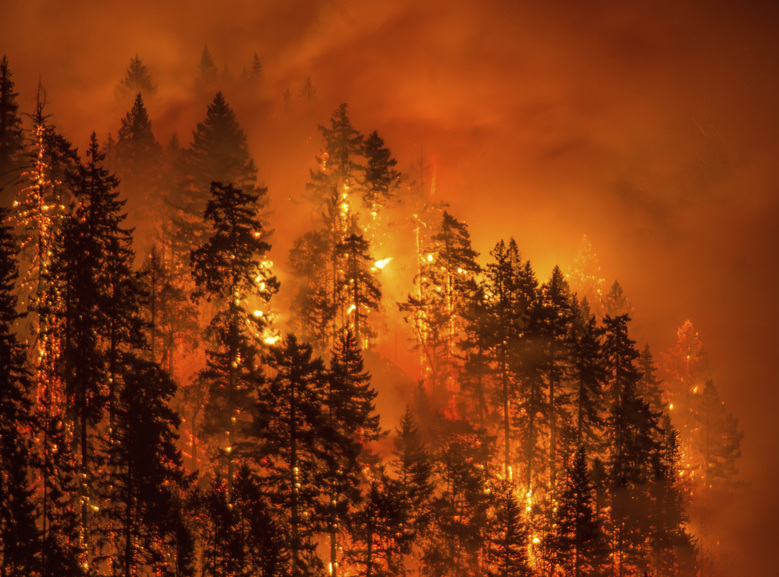
As Washington heads into another warm summer, wildfire danger is rising across the state. Hotter temperatures, drier vegetation, and shifting climate patterns are creating longer and more intense fire seasons, and local residents are feeling the impact firsthand.
For people living near forested areas, the changes are becoming impossible to ignore. Maria Torres, a Ravensdale resident whose home sits close to wooded land, says summers have grown noticeably smokier. “Every year it feels like the smoke comes earlier,” she said. “My kids used to play outside all summer, but now we have days where the air is so bad we have to stay indoors. It’s scary because it feels like the new normal.”
In Enumclaw, where neighborhoods border dry foothills, homeowners are preparing for what could be another challenging season. Caleb Johnson, who has lived there for over a decade, says he’s had to change the way he maintains his property. “I brush constantly now,” he explained. “It used to be something I did once in a while, but with how dry things get, I can’t take chances. One spark is all it takes. The heat dries everything out faster than it used to.”
Students are also noticing the effects. Malia nguyen, a student who lives near the Cedar River watershed, says wildfire smoke disrupts school life and health. ” she said. “I get headaches when the smoke gets bad, and it’s hard to do my usual outside activities . It’s stressful because it keeps happening more often.”
Washington’s Department of Natural Resources (DNR) reports that wildfire seasons are starting earlier and lasting longer due to warming temperatures and reduced snowpack. NOAA climate data also shows that Washington’s average summer temperatures have risen steadily over the past decade, increasing the likelihood of dry conditions that fuel wildfires.
Local fire officials recommend that families stay informed, create emergency plans, and keep yards free of dry vegetation. While no one can predict exactly how severe this year’s season will be, residents across the region agree that wildfire risk is becoming a regular part of life in Washington.
“Wildfires used to feel like something that happened far away,” Torres said. “Now they feel like they’re happening in our backyard.”