

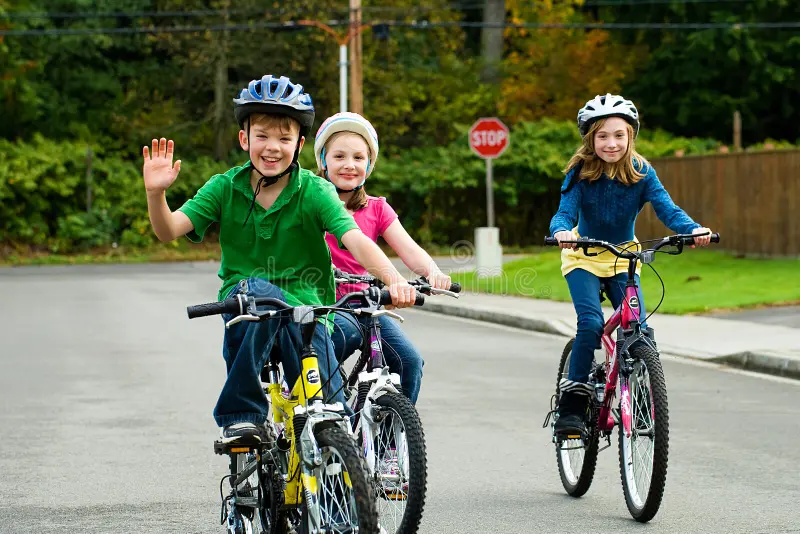
Speeding in residential neighborhoods is becoming a growing concern for families across Washington, especially as more children walk, bike, and wait for school buses in the early morning. Even with the statewide speed limits and safety laws in place, many communities are seeing drivers ignore posted limits, putting pedestrians at risk. The National Highway Traffic Safety Administration says that speeding has contributed to about 29% of all traffic fatalities in 2023, underscoring how dangerous even small increases in speed can be for vulnerable road users.
The Everyday Risk Families Are Facing
In neighborhoods where children gather at bus stops or play outside with friends after school, a single speeding car can turn an ordinary morning or any time of day into a life‑threatening situation. Washington law sets a maximum speed of 25 mph on city and town streets, including residential areas, to minimize injury risk and give drivers enough time to react. But many families say that drivers are not slowing down, especially near school buses with flashing stop signs.
Parents describe the danger as something that “happens in seconds.” One mother, Julianna Marta explained, “You can be standing just a few feet away from your child, and a car will fly past the bus like the rules don’t apply. It’s terrifying.”
A Close Call in the Neighborhood
“The bus had its stop sign out, lights flashing, and this car just blew right past. If the kids had stepped out one second earlier, it could have been a disaster.” – Anonymous
Why This Story Matters Now
Speeding is not just a simple traffic violation, it’s a safety issue for communities. Especially ones with environmental hazards and infrastructure issues. Children are smaller, harder to see, and more unpredictable in their movements. A driver going even 10 mph over the limit has significantly less time to brake, and the force of impact becomes far more deadly.
Another parent, Regina Ellens says,“People don’t realize how fast things can go wrong. When you’re behind the wheel, you’re responsible for every child standing near that bus.”
What Washington Communities Can Do
Local governments in Washington have the authority to enforce speed limits and implement traffic‑calming measures such as speed bumps, flashing signs, and narrowed lanes. Some communities even allow law enforcement to issue speeding infractions on private neighborhood roads when approved by homeowners’ associations.
A Call for Awareness and Responsibility
Parents, drivers, and community members all play a role in keeping neighborhoods safe. Slowing down, especially near school bus stops, can prevent tragedies. For families in Maple Valley and across Washington, so the message is simple: children deserve safe streets, and drivers must treat residential areas with the caution they demand.
Sources : https://www.nhtsa.gov/risky-driving/speeding
https://mrsc.org/explore-topics/public-safety/traffic-safety/speed-limits-traffic-calming