
A Crisis Hidden in Plain Sight
The West is heading into spring with a problem most people can’t see, and many don’t realize is happening. While cities across Washington enjoy an unusually warm and sunny winter, the mountains that supply the state’s water are experiencing one of the weakest snowpacks in decades. According to the Washington State Department of Ecology, several Cascade basins are far below normal levels for February, raising alarms for farmers, firefighters, and water managers. Snowpack acts as Washington’s natural reservoir, slowly melting through spring and summer to feed rivers, irrigation systems, and hydropower. When the mountains don’t get snow, the consequences ripple through the entire region.
The Enumclaw Perspective: Farmers Already Feel the Impact
For people who work the land, the crisis is already visible. In Enumclaw, where farms sit in the shadow of Mount Rainier, the lack of snow is more than a weather anomaly it’s a threat to survival. “It’s unsettling,” says Symphony Autom, whose family grows hay, vegetables, and feed crops on their property just outside town. “We depend on that snowpack to feed our irrigation systems. Without it, we’re going to be stretching every drop by june.”
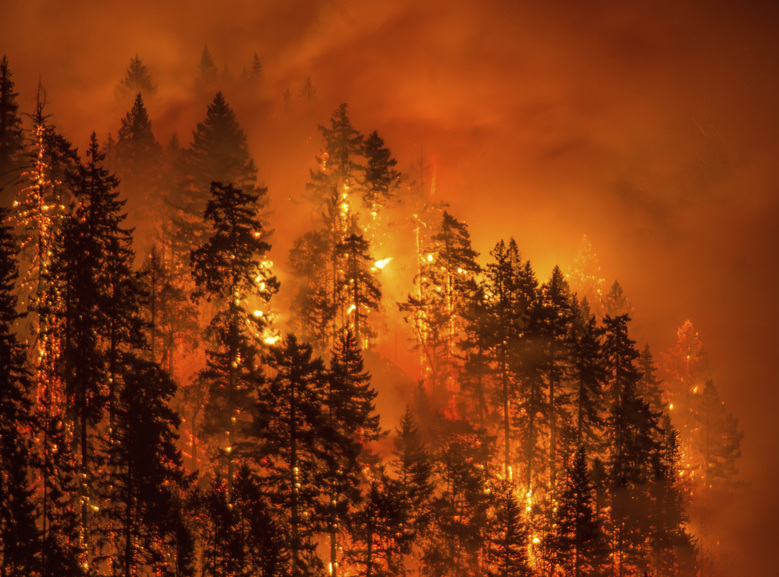
Autom says the danger doesn’t stop at water shortages. “Wildfires worry me the most,” she explains. “When the hills dry out early, one spark can turn into a massive fire. We’ve seen it happen too many times.”
She believes many urban residents don’t understand the stakes. “People in Seattle or other cities see sunshine in the winter and think it’s great, but for us warm winters mean empty reservoirs and stressed fields,” she says. “Snowpack is everything it feeds our rivers, our crops, our forests. When the mountains don’t get snow, the whole region feels it.”
Scientific Evidence: What Washington’s Climate Data Shows
Climate researchers across Washington echo Automs’ concerns. The University of Washington Climate Impacts Group has documented long‑term declines in Cascade snowpack due to rising winter temperatures. Their research shows that warmer winters cause more precipitation to fall as rain instead of snow, reducing the natural storage the state relies on.
The NOAA Northwest River Forecast Center reports that multiple Washington basins including the Central Cascades, Lower Yakima, and Upper Columbia are significantly below normal snowpack levels for 2026. This means lower summer streamflows, which affect irrigation, hydropower production, and salmon migration.
Meanwhile, the Washington Department of Natural Resources warns that early snowmelt leads to drier forests by midsummer, increasing the likelihood of large wildfires. In low‑snow years, fire season starts earlier, lasts longer, and burns hotter.
Why This Matters: The Slow‑Motion Emergency Ahead
For now, the mild winter feels pleasant but the consequences are building quietly, day by day, in the mountains above. If the snow doesn’t come soon, Washington may be heading into a summer defined by water shortages, stressed crops, and a wildfire season that starts earlier and burns hotter than before. The crisis is slow, but it’s already in motion.
Sources:
- UW Climate Impacts Group Snowpack & Climate Trends
- NOAA Northwest River Forecast Center Basin Snowpack Data
- Washington Department of Natural Resources Wildfire Risk Assessments
- Washington State Department of Ecology Water Supply & Snowpack Reports
- NOAA Northwest River Forecast Center Snowpack & Runoff Forecasts