

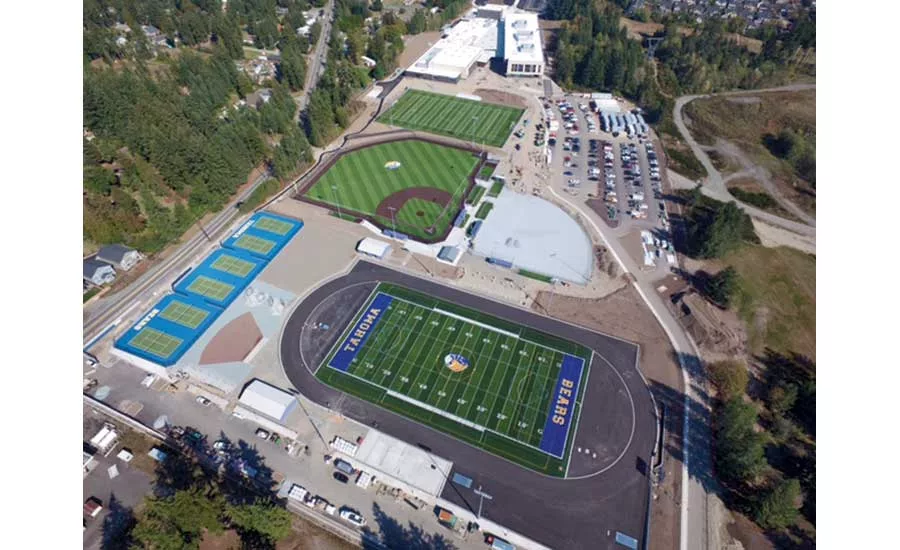
Tahoma High School’s safety policies promise protection from outside threats, emergencies, and everyday risks. But how do those policies translate into the lived experiences of students walking the halls each day? This story explores the gap between what’s written in official guidelines and how students actually feel about their safety on campus.
Walking through the wide hallways of Tahoma High School, posters remind students of lockdown procedures, visitor hours, and the importance of keeping doors secure. On paper, the policies are clear: locked exterior doors, security cameras, and staff training are meant to keep everyone safe. Yet, among students, feelings about safety are far more complicated.
“I take safety really seriously,” said Alex Martinez, a junior who spends most of his time in Running Start classes at Green River College. “When I’m at Tahoma, I notice the locked doors and the security presence, but honestly, I don’t always feel safer. At college, there’s more freedom, but also more responsibility. Here, it feels like we’re told we’re protected, but I still wonder if the policies would actually work in a real emergency.”
For Emily Chen, a freshman just beginning her high school journey, the transition has been eye‑opening. “Middle school felt smaller and more controlled. Now, the hallways are crowded, and sometimes I feel nervous when I hear about incidents at other schools. The policies sound good, but I don’t really know what to do if something happens. I think freshmen especially need more practice drills or explanations.”
Why It Matters
Students spend nearly 35 hours a week on campus. If they don’t feel secure, it affects their ability to learn, focus, and thrive. The disconnect between policy and perception is not unique to Tahoma, but it’s especially relevant here as the district continues to refine its safety measures after last year’s incident that raised concerns about preparedness.
Safety in schools isn’t just about locked doors and posted signs. It’s about how students feel when they walk into class each morning. At Tahoma High School, bridging the gap between policy and perception may be the next step in ensuring that safety is more than just words on paper.