


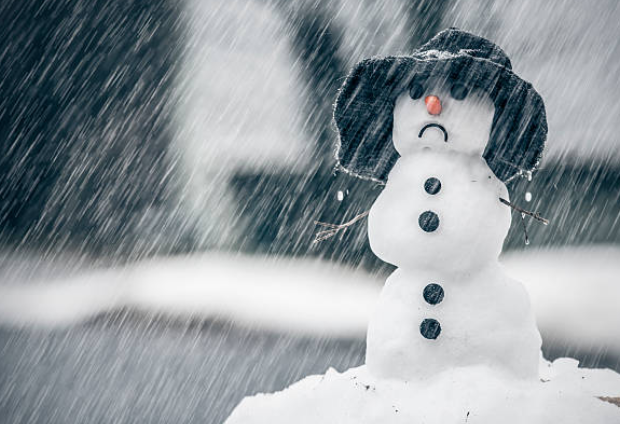
As the days get colder and the weather gets more somber, the winter blues start to spread to students. As high schoolers, middle schoolers, teachers, and others make their way through the day, they all can feel the glum in the air and the heavy sinking of fatigue through their bones.
Everyone gets winter depression, some more than others, but one thing stays the same…the overwhelming feeling of hopelessness that causes a drop in mood. So, why does almost everyone seem to be affected by this phenomenon?
Winter depression, which can also be known by a more extreme name, seasonal affective disorder (SAD), happens to people all around the world for a few reasons. As frostier months roll around, the days get darker with sunlight hours going scarce. The sunlight depletion drops the serotonin levels in your brain, the chemical that boosts your mood, and disrupts your internal clock.
The drop in grades and performance that start in December shouldn’t be ignored either. It’s even harder to manage student stress when finals are around the corner and the drive to do school work is seemingly gone.
That’s not even mentioning the increased melatonin level due to a darker atmosphere. It’s almost guaranteed for teens to lose focus in class from sleepiness.
Of course, it doesn’t just affect your focus in class, but friendships as well. The drop in mood makes teens sad, snappy, and insecure nearly everyday. The pleasure in hanging out with friends and doing the hobbies you love also decreases. It’s strenuous and dreadful to maintain friendships when the motivation to do so suddenly disappears.
The blues range from different extremes from mild low energy and moodiness to debilitating thoughts and disrupting daily life. Serious cases of seasonal depression should require professional help and support from family and friends.
Freshman student Ellie Wickline shares her own perspective, commenting, “I feel it everyday of December,” weather in the late months is known to be a massive contributor to winter blues and it’s hard to get around it, Wickline elaborates, “the snow and clouds make it really gloomy.”
Despite the alleged hopelessness, teens who suffer from extreme seasonal depression aren’t alone. There are treatments such as light exposure, psychotherapy, antidepressants, and other remedies that can all help with spiraling mental health related to the rainy days.